
Hello!
I am Jung Bo-hwang, Chief Director of Cleor Clinic Gangnam Branch.
At some point, you may notice yourself spending a long time choosing the right angle when taking a photo.
Your front profile looks fine, but you are not satisfied with your side profile, and your face on the screen during a video call feels unfamiliar,
or your jawline feels blurred even though you don't seem to have gained weight.
For those who notice these changes, the first treatments you will likely look into are Shurink and Ulthera.
And naturally, you will probably ask this question!
"Which of the two is more effective?"
To start with the conclusion, it is difficult to say that either one is unconditionally the right answer.
This is not a matter of treatment intensity or price, but because even with the same sagging, the cause differs from person to person.
Today, focusing on this point, let's organize how to view these two treatments.
Gangnam Station Shurink and Ulthera, how are they different?
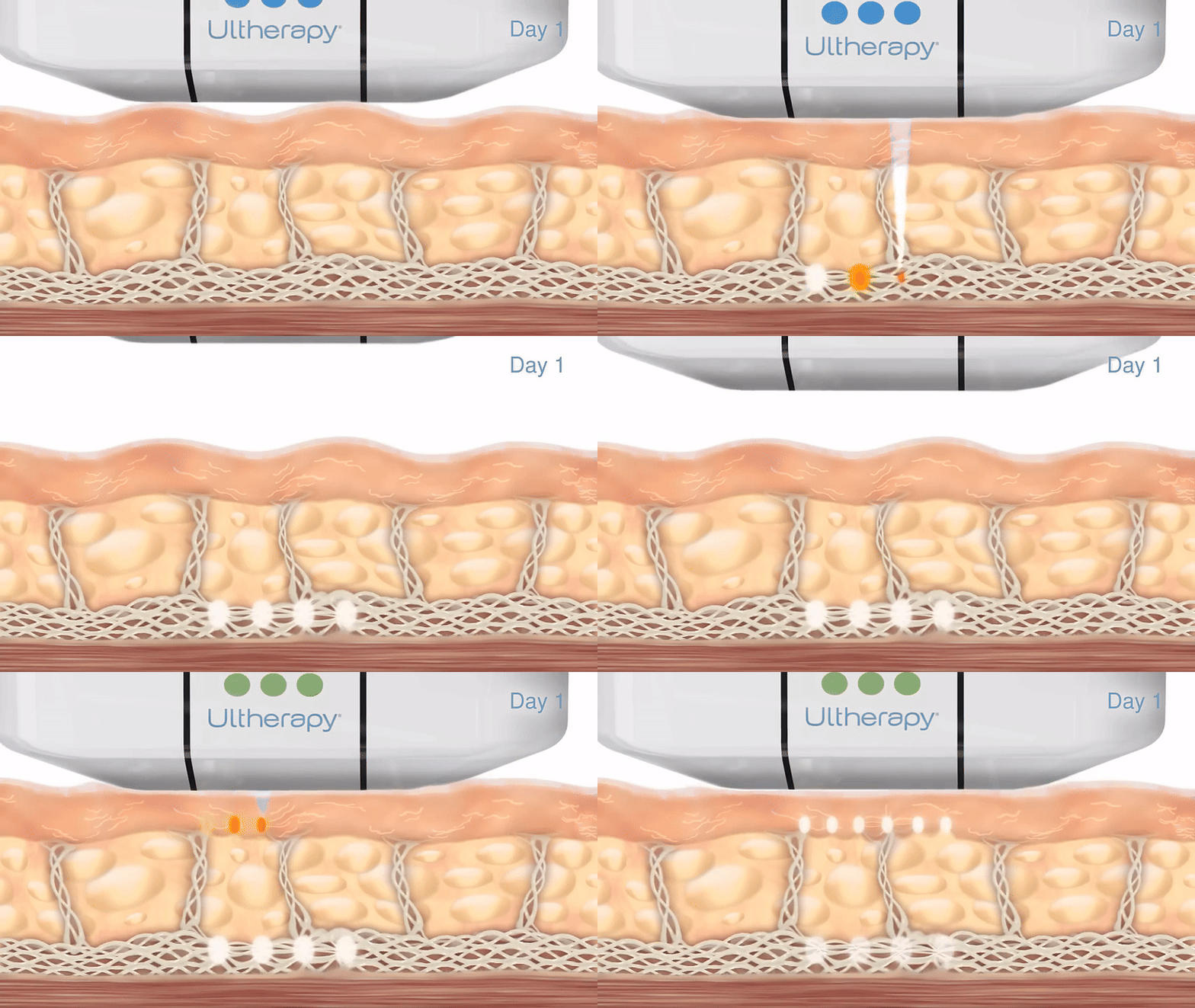
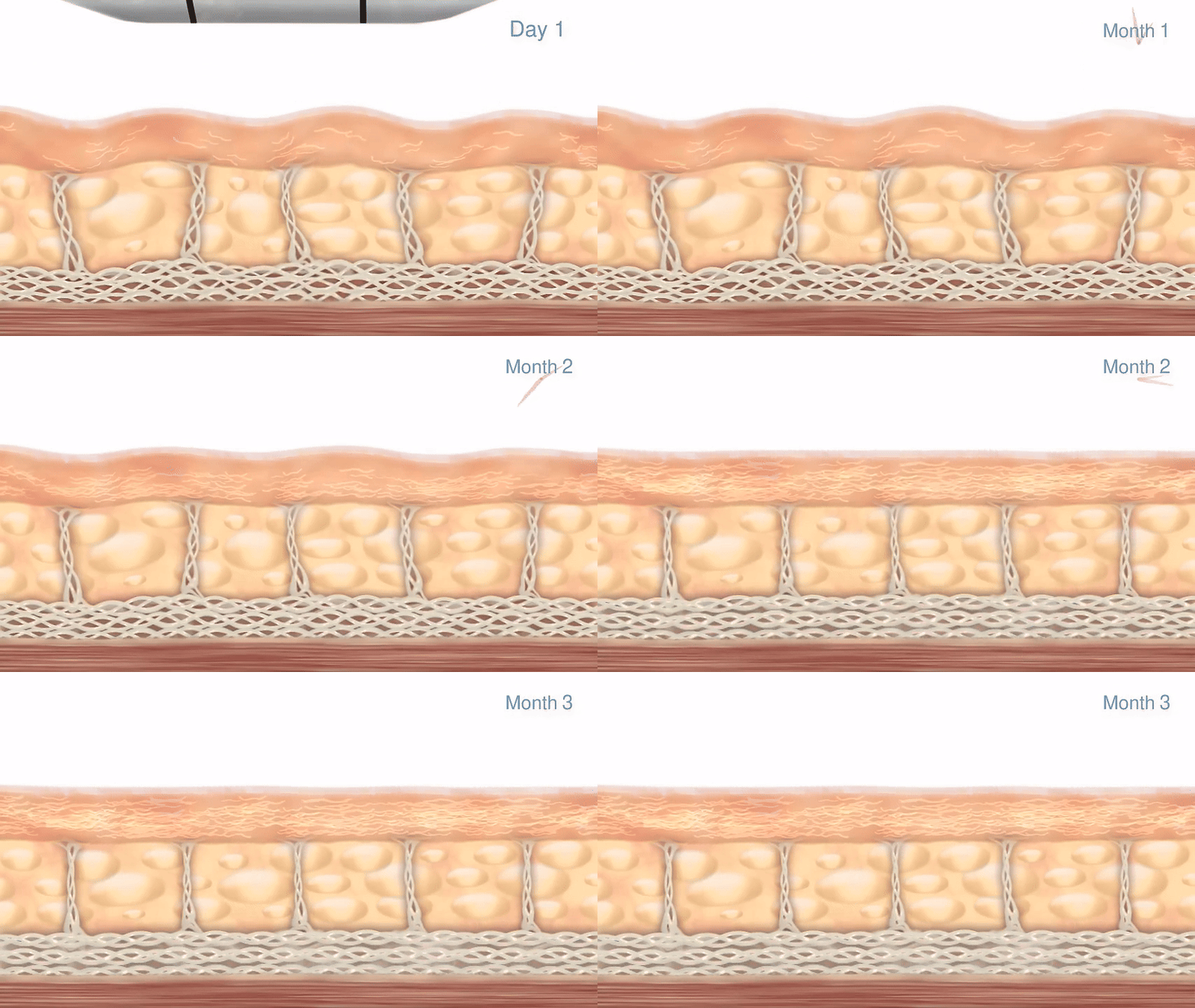
Both use ultrasound to deliver thermal stimulation to the deep layers of the skin
and work on the principle of boosting elasticity through that response.
The basic mechanism is the same, but they differ in their approach.
With Ulthera, you can view a cross-section of the skin via imaging during the procedure.
Because it allows us to design where to deliver energy while visually checking the depth,
it is often advantageous for clearly setting the lifting direction for those with noticeable sagging.
Shurink has a variety of shot configurations, making it good for approaching the treatment as an even, full-face care.
It is suitable for those who want to tidy up their overall contour from the jawline to the cheek line to start with relatively little burden.
You may have often seen the simple comparison that "Ulthera is strong and Shurink is mild," but that is not an accurate description.
Rather than which procedure is stronger, which approach is right for your current condition is much more important!
Is it more effective the stronger it is?
I get this question a lot too.
Intuitively it might seem that way, but in reality, the opposite can happen.
If someone with thin skin excessively increases the intensity, their skin can become dry and sensitive,
and those with little cheek fat may be dissatisfied, feeling their cheeks look sunken if overstimulated.
I also often see situations where someone endures the pain only to have prolonged swelling and ambiguous results.
Since many people in their 30s and 40s are at a stage where sagging is just beginning before aging progresses in earnest,
at this stage, proceeding with moderate intensity in a balanced manner on the necessary areas actually leads to higher satisfaction.
Between Gangnam Station Shurink and Ulthera, which procedure is right for you?
While it is not an absolute standard, let me share my own criteria for choosing.
When Shurink is recommended
-Those who want to refine their jawline and cheek line overall
-Those who are new to lifting and want to reduce the burden
-Those with sensitive skin who are worried about pain or recovery time.
There are also cases where Ulthera is recommended
Those whose sagging has progressed to some extent and who want to firmly establish the lifting direction
Those who have previous lifting experience and know their own response
Those who want to proceed while checking the target layer.
However, this is just a general selection guideline.
In practice, it is safer to make a judgment after directly assessing your skin thickness, fat volume, and sagging pattern.
What are the side effects of Ulthera and Shurink?
We cannot overlook the topic of side effects.
No matter how popular the procedure may be, ultrasound lifting is still a medical procedure.
For a few days after the procedure, you may experience swelling, tightness, or soreness, and occasionally bruising or
some people may experience temporary changes in sensation.
Most of these subside over time, but if the procedure is performed too aggressively from the start, recovery may take longer,
so rather than being overly ambitious, I design treatments to achieve the best possible results within a safe range.
Post-Care Guide After Ultrasound Lifting
If you pay attention to just a few things, your recovery will be quick.
On the day of the procedure, wash your face gently with lukewarm water.
For about a week, please avoid saunas, steam rooms, and strenuous exercise,
and it is best to moisturize thoroughly.
Avoiding alcohol for a few days will also help the swelling go down faster.
Frequently Asked Questions (FAQ)
Q. Can I get Shurink and Ulthera together?
Yes, some patients combine them by targeting different areas or scheduling them at different times.
However, combining them is not always better; it must be decided based on your skin condition.
Q. When will I start to notice the effects?
You will usually begin to notice gradual changes after 2 to 4 weeks, with final results appearing in about 2 to 3 months.
Collagen regeneration takes time.
Q. How long do the results last?
Typically, they last from 6 months to 1 year.
This varies depending on your skin condition and lifestyle habits, and regular maintenance can help the results last longer.
Q. Is the procedure very painful?
It varies from person to person.
While many people find Ulthera to feel slightly more stinging than Shurink,
a numbing cream is applied beforehand and the intensity can be adjusted, so most patients find it manageable.
Q. Can I return to my daily routine right away on the day of the procedure?
Yes, most people can resume their daily activities immediately.
However, since there may be some swelling or redness, it is best to allow a 2 to 3-day buffer before any important events.
Here is how consultations are conducted at Cleor Gangnam Branch
We do not make promises like, "You will see a dramatic difference after just one session."
First, we ask which areas concern you the most.
We ask which areas bother you in photos, or where your eyes naturally go when you look in the mirror.
Next, we examine your skin elasticity, fat distribution, bone structure, and facial symmetry.
We honestly explain the changes and limitations of each procedure, and ask if you have upcoming events like a wedding or photoshoot,
determining the right direction while also considering how much downtime you can afford.
*Downtime: The recovery period required after a procedure before returning to daily life
This makes it clearer "why this treatment" rather than just "which treatment to get."
This is because satisfaction increases when expectations for the results are aligned.
If you feel your jawline is not what it used to be, we recommend checking your current condition first rather than deciding on a treatment right away.
Once you know where the changes began, making a choice becomes much easier.
Cleor Gangnam Branch aims for treatments that restore your face's natural beauty.